The price of electricity will be measured every 15 minutes to adapt to renewables
13/11/2025

Share


The measure, which represents a step forward towards a cleaner and more stable market, does not report visible changes to the bill
As of October 1, 2025, the Spanish electricity market will leave behind the hourly model to fix prices every fifteen minutes. This means that from now on there will be 96 different prices per day, a measure that will allow better adjustment of generation and consumption in a system increasingly dominated by renewable sources.
According to Marc Núñez, the Director of Energy Management at L’Energètica, this change “responds to the need to adapt the system to solar and wind generation, which depends on the sun and wind.” The challenge is to align production and demand almost in real-time, moving towards a cleaner, more stable, and European energy model.
More precision for a more renewable system: the European criterion to ensure stability
The new system is part of the European harmonization process of the electricity market. Spain operates within a coupled market with the rest of Europe, where all countries share the same bidding platform and have common technical criteria to ensure that generation and consumption are coordinated without interruptions. For this reason, it was necessary to establish a single time criterion to maintain equilibrium between interconnected networks. “The aim is to make the system more stable, not that the bill is more expensive or cheaper,” points out Núñez.
Will the electricity bill change?
For most households, there will be no visible change. If the contract is fixed price, the rate remains the same. In the case of indexed contracts (like the PVPC), the price that was previously calculated by the hour will now be the average of the quarters of an hour in which consumption occurred. Most current meters are already prepared to measure in fifteen-minute intervals or will be adjusted using formulas established by Red Eléctrica.
Renewables, more integrated into the electricity system
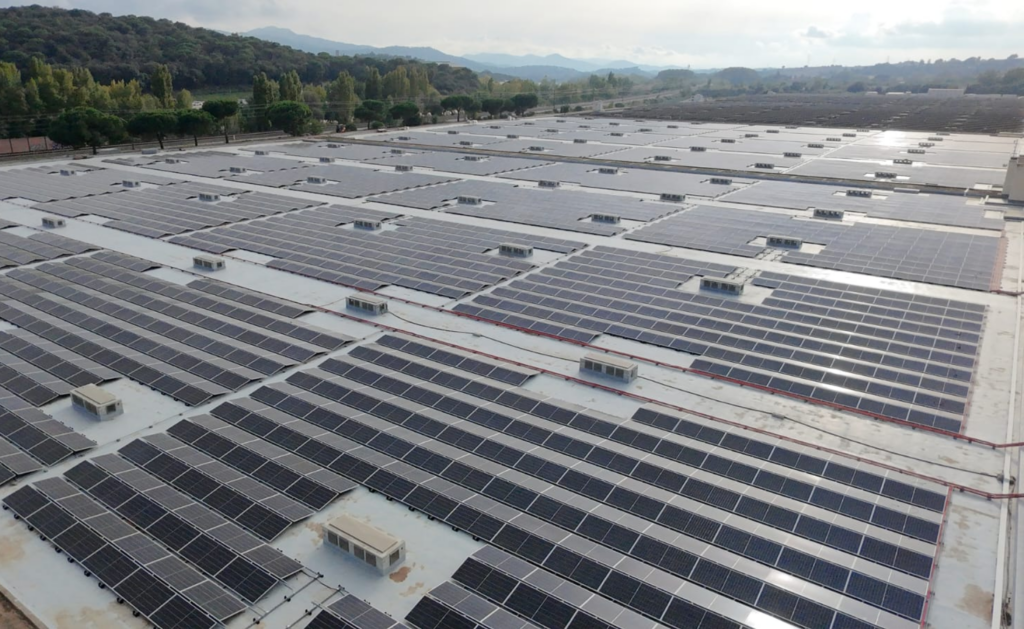
This new quarter-hourly system benefits the integration of renewables and self-consumption. Installations with solar panels or batteries will be able to better optimize charging and discharging moments according to the real price of energy. With more data and a more precise reading, the system can react better to the variability of wind and sun, reducing the need for balancing markets and improving overall efficiency.
The shift to quarters of an hour does not imply changes for the pocket, but does represent a qualitative leap in the way the electricity system operates. From now on, network management will be more precise, data more detailed, and the system’s response to fluctuations in renewable production, more agile. This new granularity allows for better anticipation of imbalances between supply and demand and reduces the need for costly corrective measures.
It is an essential adaptation to advance towards a system where the integration of renewables is compatible with supply security and active participation of consumers.