COP30 Faces a Decisive Decade for the Planet’s Energy Future
19/11/2025
Share


The Belém Summit Calls for Accelerating Renewables to Maintain the 1.5°C Limit
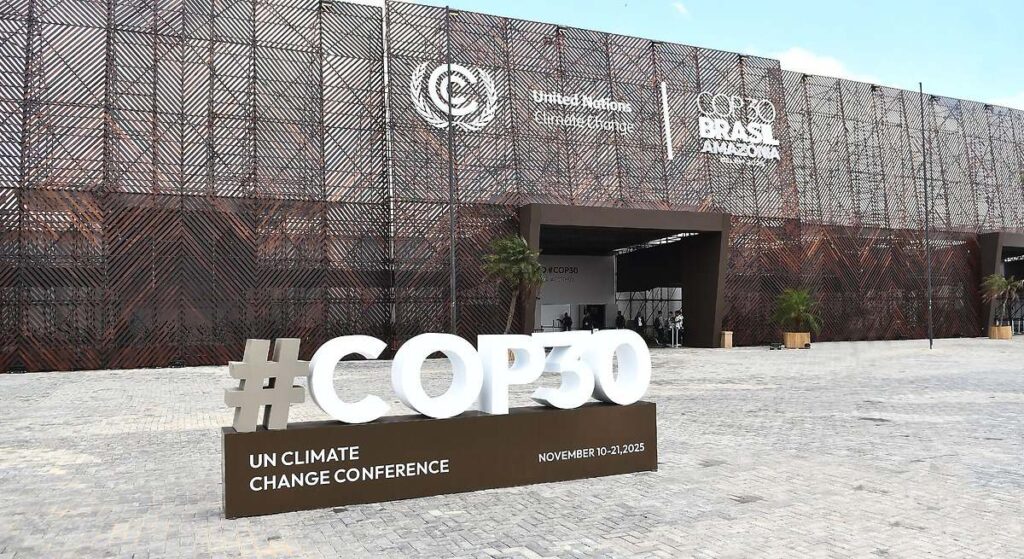
The COP30 is already underway, and Belém (Brazil) has become the focal point of climate debate in recent weeks. For the first time, the Climate Summit is being held in the heart of the Amazon, one of the planet’s most important areas for regulating climate. The choice comes thirty years after the Earth Summit in Rio de Janeiro (1992) and ten years after the Paris Agreement (2015), two milestones that have shaped the course of international climate policy.
The conference will last until November 21 and takes place at a time of absolute urgency. The global temperature over the past twelve months has temporarily exceeded 1.5°C, and the last 11 years have been the warmest ever recorded.
According to the latest projections, current climate plans are leading us towards a warming of around 2.5°C by the end of the century. Therefore, COP30 is seen as a decisive summit where governments must review their commitments made so far and raise their ambitions to keep the option of mitigating the climate crisis alive.
What is Being Decided These Days?
Holding the summit in the Amazon underscores the importance of protecting ecosystems and biodiversity, essential elements for stabilizing the global climate. At the same time, negotiations address central issues such as the gradual phasing out of fossil fuels, the challenge of tripling global renewable capacity, and climate financing.
Throughout this week, countries are discussing measures to strengthen adaptation to climate change, protect the most vulnerable communities, and define a climate roadmap for the next decade. All these decisions will be included in the final agreement that will be made public when the summit concludes on November 21.
What is the 1.5°C Limit?
At COP30, the 1.5°C limit returns to the center of debate. This threshold for global warming, established in the Paris Agreement, sets a point of no return for the planet’s health at 1.5°C of global warming compared to the pre-industrial average temperature (1850-1900).
Exceeding this limit would mean a world with more intense heatwaves, an accelerated loss of biodiversity, and increasingly destructive storms. That is why the international community insists on reducing emissions and accelerating renewables to keep us below this critical threshold or, at the very least, prevent it from drifting permanently out of our reach.
Energy and Climate Financing, Main Themes of COP30
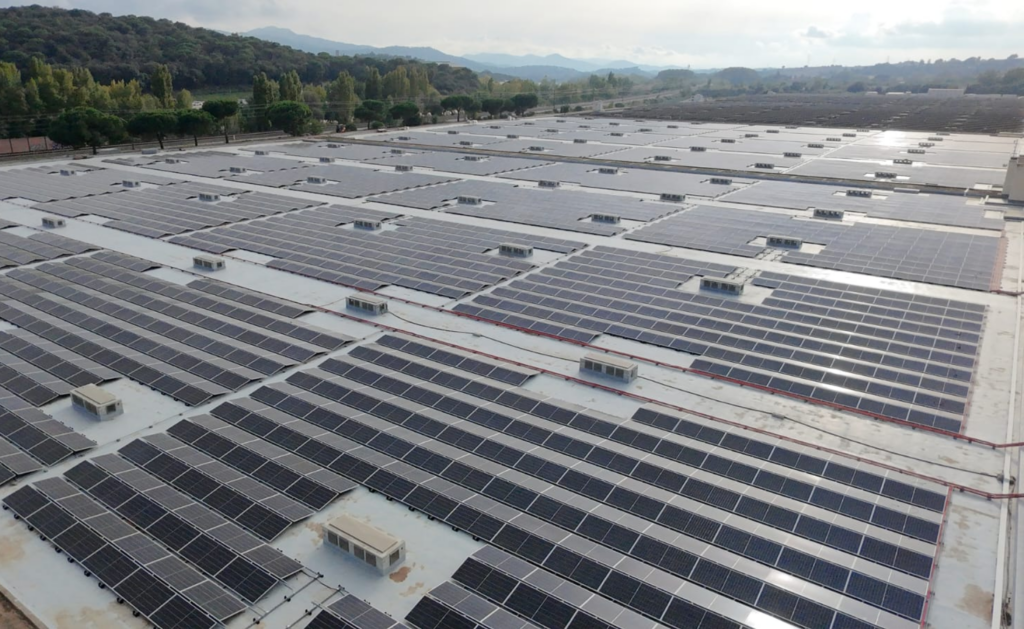
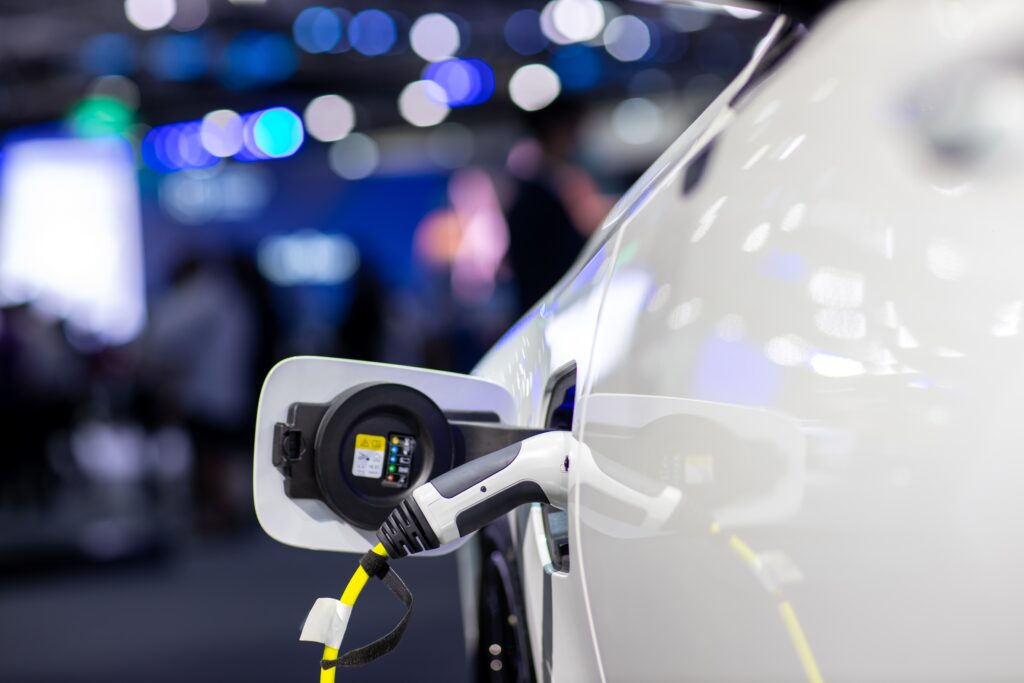
The energy transition is one of the central axes of the summit. Most global emissions still come from fossil fuels, making it essential to expand renewable generation, improve efficiency, and promote emerging technologies like renewable hydrogen. There is also a need for investment in more modern grids and systems capable of integrating an increasing proportion of renewables safely and stably.
Another key element is climate financing. COP30 emphasizes ensuring more resources for developing countries, which need support to deploy clean energy, modernize infrastructure, and adapt to climate impacts. Without this boost, the transition risks being too slow and uneven to maintain the 1.5°C target.
What Does COP30 Mean for Catalonia?
For Catalonia, COP30 arrives at a time when the effects of global warming are already evident: more frequent heatwaves, increased pressure on water resources, and a constant rise in extreme phenomena. In this context, the debates in Belém connect directly with the challenges facing the country: advancing faster in renewables, strengthening the energy system, and ensuring that the benefits of the transition reach everyone.
In this line, L’Energètica directs its activity towards a more modern and balanced energy model. It does so by expanding renewable generation in public spaces, promoting shared self-consumption, and launching projects that integrate solid environmental and territorial criteria.
The outcome of the negotiations at COP30 will help define the climate and energy landscape for the coming years. What is agreed in Belém will help lay the groundwork for a decisive decade to keep the 1.5°C target alive and prepare the world to face an increasingly demanding climate scenario.