Buildings increasingly self-sufficient
21/12/2023
Share


The European Union is moving towards decarbonization across all sectors. The new agreement signed between the Council and the European Parliament aims that, by 2050, the majority of buildings constructed in the EU will be zero emissions, through increased energy performance. In this sense, the new directive establishes more ambitious energy efficiency standards for installations so that their owners renovate them.
Currently, buildings are responsible for up to 40% of energy consumption and emit 36% of the total greenhouse gases. According to EU estimates, nearly 75% of buildings currently installed in member states do not meet energy efficiency requirements and will need to be renovated.
From L’Energètica, which promotes self-consumption in public buildings in Catalonia, we celebrate this measure, which will help achieve the mid-term goal of climate neutrality.
Which buildings does the regulation apply to?
All buildings constructed from 2030 –2028 for public buildings– must meet zero emissions standards.
In the case of existing buildings, non-residential buildings will have to reduce their energy consumption by 16% from the current level by 2030, and up to 26% by 2033. The set of residential buildings will also have to do it by 16% by 2030, and by 20-22% by 2035. In addition, a minimum of 55% of this reduction must be made through the renovation of the least energy-efficient constructions.
Exceptions to this regulation include historical buildings, religious buildings and places of worship, individual buildings not exceeding 50 m², second residences, and holiday homes that do not consume much energy, military buildings, and those used for defensive functions of territories and industrial establishments, workshops, and agricultural buildings without residential use.
Solar energy as the main source
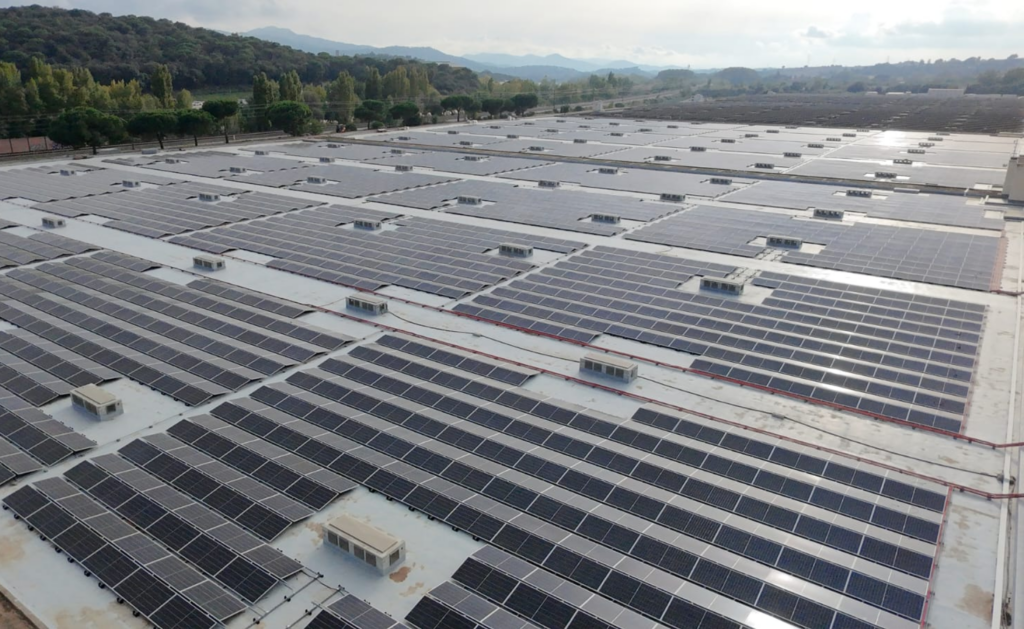
The agreement states that the main energy source to prioritize should be solar. Therefore, administrations will require the installation of photovoltaic panels in all buildings and constructions where economically and technically feasible.
The first to have these solar installations will be new public buildings and non-residential buildings, both public and private, with a surface area greater than 250 m² by 2027. Subsequently, all public and non-residential buildings, both public and private, new and existing, with a surface area greater than 2000 m2, by 2028. This surface requirement will be reduced to 750 m² in 2029. By 2030, all new residential buildings will be included, regardless of size, and outdoor parking areas close to these buildings with roofs. In 2031, the panels will be installed on all public buildings, new and existing, of 250 m² or more.
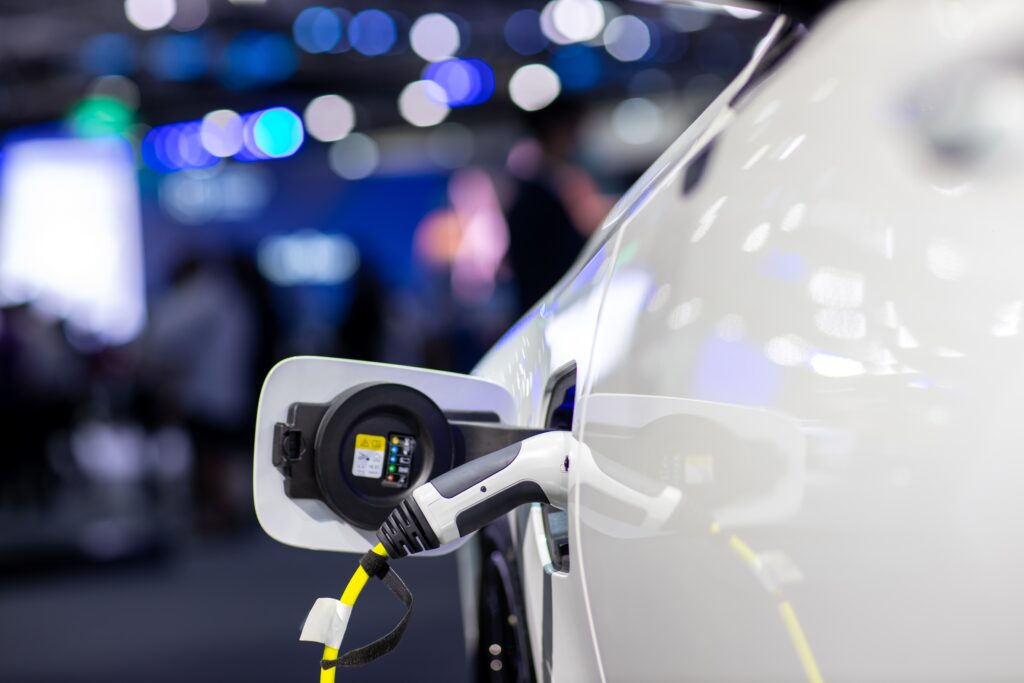
In addition, emphasis will be placed on the provision of infrastructure for the parking of bicycles and electric vehicles and the implementation of charging points.