How are renewable materials recycled?
06/05/2024
Share


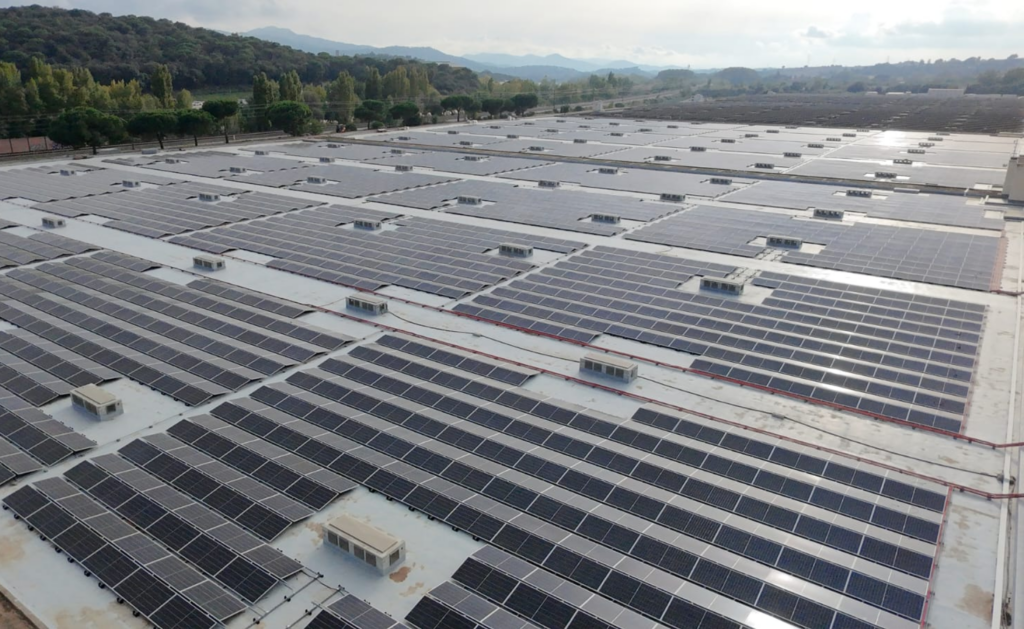
Renewable energy is one of the symbols of sustainable development, as it allows for energy to be obtained in an environmentally friendly way without exhausting the planet’s natural resources. However, both solar and wind energy –the two main examples of this renewable production, along with hydropower– require an infrastructure that, sooner or later, exhausts its useful life and needs to be replaced.
According to calculations by the International Renewable Energy Agency (IRENA), by 2050 there could be more than 78 million tons of solar panels worldwide, and, in that same year, the University of Cambridge estimates that waste generated by wind turbine blades will amount to 43 million tons accumulated. Recycling of these wastes, for example, can guarantee a production end that is also respectful of the planet. How do these processes work?
Solar panel recycling
European legislation requires the collection and recycling of photovoltaic panels once their useful life has ended, which is estimated to be between 25 and 30 years from the start-up. The recycling process is not always the same and varies depending on the technology used in manufacturing, although it generally follows four stages:
- Reception and classification: at the recycling center, the condition of the components is verified and they are classified according to the technology and material they contain.
- Disassembly: manually or by specialized machinery, the main parts of the composition such as glass, photovoltaic cells, and the aluminum frame are separated, which, for example, is 100% recyclable.
- Material separation: once aluminum and glass are removed, the panel undergoes thermal processing at over 500ºC to burn any plastics that may still be adhered. Then, a chemical process called delamination removes the polymer layer and separates the metal contacts. Before melting into reusable plates, the silicon wafers, a material that can be reused more than 80%, are engraved.
- Final recycling: the recovered materials are subjected to specific purification and preparation processes for reuse. For example, silicon, glass, or aluminum can be refined to manufacture new solar panels.
Wind blade recycling
In the case of wind turbine blades, reuse is the most widespread practice and is part of the repowering strategy: with increasingly efficient and powerful turbines, blades that have already been used can be reassembled in other parks or countries. Additionally, some initiatives promote their conversion into bridges or bicycle parking lots.
However, according to calculations from the promotion association WindEurope, from 2020 to 2030 up to 76 gigawatts of total wind energy capacity will reach the end of their useful life in Europe. To mitigate the harmful environmental effects that managing these wastes may entail, it is necessary to opt for other alternatives to take advantage of the materials, such as recycling.
Currently, there are three main types of recycling for wind blade components:
- Mechanical recycling. This consists of shredding the materials, generally already separated, for reuse. Typically, filling material is obtained that serves for construction materials or plastics. Techniques such as mechanical grinding or high-voltage powder fragmentation are used for this.
- Thermal recycling. To break down the composites they are made of, the blades are incinerated, producing energy. Additionally, some characteristics of the fibrous materials are preserved, facilitating their reuse.
- Chemical recycling. Using solvents and thermal processes, resins are separated from the fibers. This way, both materials can be reused.
Recycling of the components of wind turbines and solar panels can contribute to closing the sustainable generation cycle of energy with good material reuse that also facilitates the manufacturing of new facilities aimed at producing green, safe, and economical energy.