Renewables Against Energy Poverty
12/03/2024
Share


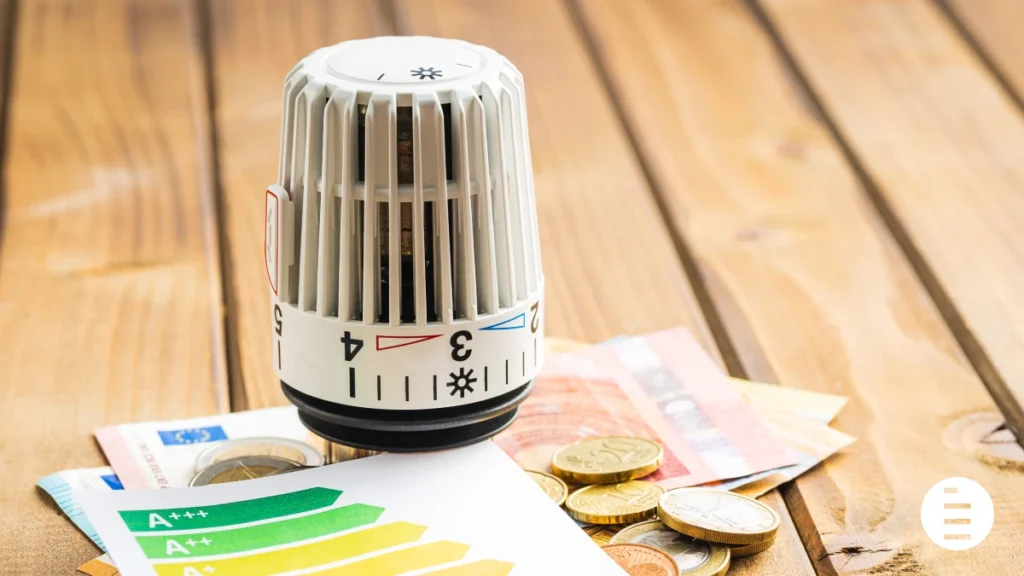
According to the Ombudsman, in Catalonia energy poverty already affects nearly 20% of families, who are unable to keep their homes at a suitable temperature, warm in winter and cool in summer. This percentage, which is above the Spanish average (17.1%) and the European Union (6.9%), is only surpassed by Bulgaria and Cyprus.
In 2009, the European Commission introduced the concept of “energy poverty” in its official directives, thereby helping to make visible access issues to energy in member states. Since then, this scourge has become one of the main consequences resulting from the rising electricity bills, recently exacerbated by conflicts such as the invasion of Ukraine, which has caused price increases for basic resources across all European countries. In this regard, the Commission maintains that energy poverty must be fought from the roots through structural measures and, more specifically, by improving energy efficiency.
To achieve this general objective, one of the main measures is to protect these individuals from disconnections that suppliers may enforce due to non-payment. Thus, various organizations and administrations throughout Europe have leveraged renewable energies to provide solutions.
Allocate production surpluses to vulnerable households
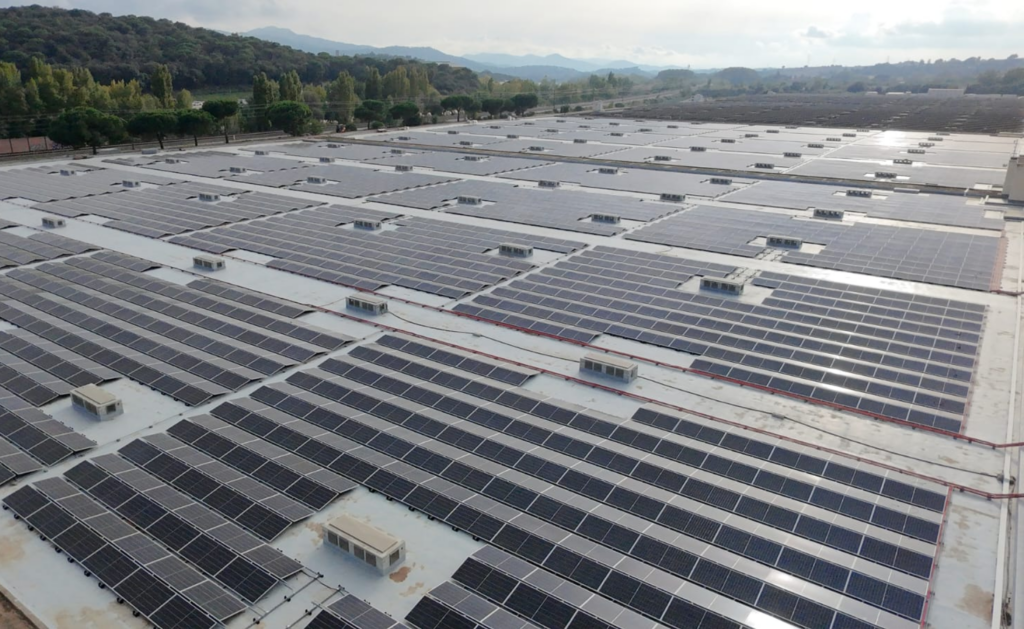
During 2024, L’Energètica aims to redirect the electricity generation surpluses from the solar panels installed on public buildings to households experiencing energy poverty, allowing them to add an extra aid to the social energy voucher that electricity suppliers are obligated to offer.
“We want to create a productive network that covers all of Catalonia and generates a true social return,” stated the president of L’Energètica, Ferran Çivit, at the official presentation of the entity. L’Energètica’s commitment is to sign a protocol with the Department of Social Rights that facilitates the transfer of part of the energy produced on public rooftops to those who need it most.