Solar charging stations boost electric mobility in Catalonia
17/03/2025
Share


Solar charging stations boost electric mobility in Catalonia
In recent years, electric mobility has seen significant growth in Catalonia, driven by the need to reduce harmful emissions resulting from daily actions, the renewal of the vehicle fleet, and the implementation of Low Emission Zones (LEZ) in the main cities of the country.
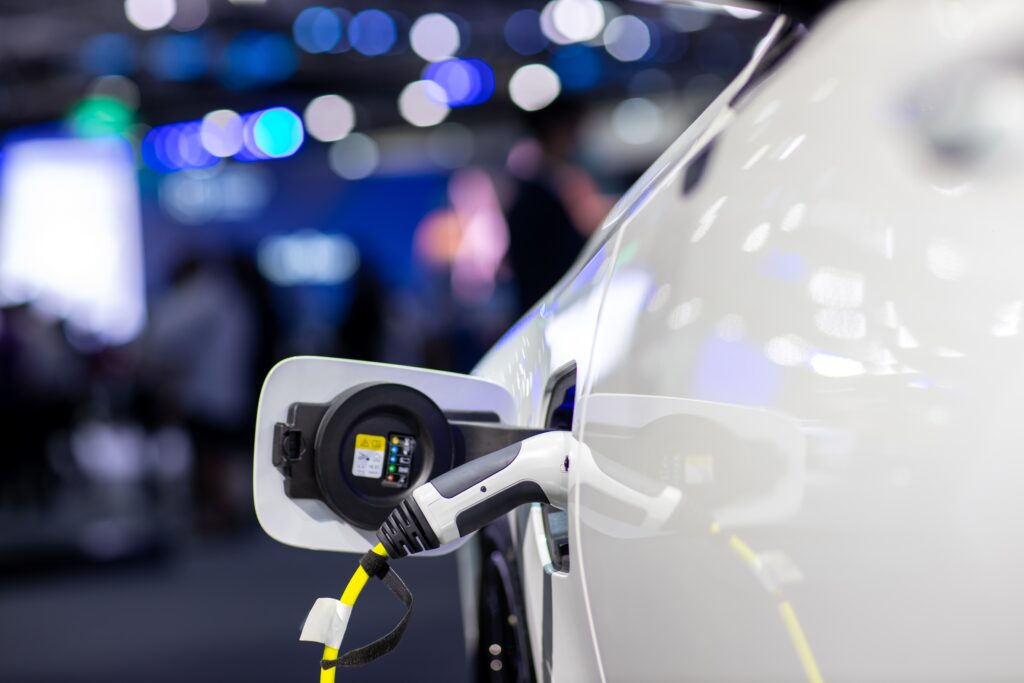
A key component of this transition is the charging infrastructure for electric vehicles, a network that is rapidly expanding in both rural and urban areas, especially those stations that use solar energy for electric supply.
From the sky to the vehicle
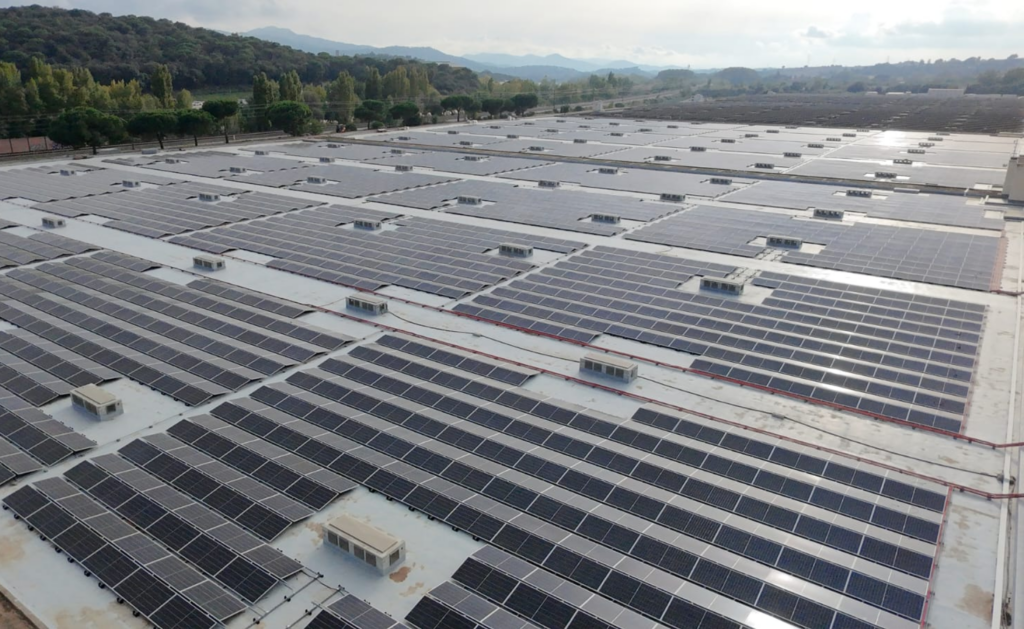
Among the charging points for electric vehicles, the charging stations that utilize solar energy specifically offer multiple advantages, both logistical and competitive, in an energy transition context:
- Emission reduction. Unlike conventional charging stations, which may rely on the electrical grid and therefore on electricity produced from fossil fuels, solar ones ensure that the charging of vehicles is 100% clean. This results in a direct reduction in CO₂ and other harmful gas emissions.
- Decongestion of the electrical grid. These stations can operate autonomously or semi-autonomously, generating the necessary energy onsite and reducing demand on the electrical grid, especially during peak hours. This is a notable advantage in areas where the electrical infrastructure is more strained.
- Cost reduction. Opting for solar charging can lower usage costs for users, as it eliminates some transportation and electricity distribution costs.
- Charging in remote locations. This model allows the installation of charging points in areas where connection to the grid is complicated or nonexistent, such as secondary roads, rural areas, or natural parks.
Evolution of the charging point network in Catalonia
Catalonia closed 2024 with 9,125 electric vehicle charging stations, a 28.11% increase compared to the previous year when 7,123 were recorded. This number also represents nearly a quarter of the total available charging points in the State, which sums up to 38,725 stations.
Last February, the Generalitat presented the Electric Vehicle Promotion Plan 2025-2030, a roadmap that foresees the installation of 9,000 new public charging points with an investment of 150 million euros. Through this massive expansion, Catalonia will have a public network of electric charging stations directly managed by L’Energètica.
Meanwhile, to assist users in locating charging points, the Catalan Energy Institute (ICAEN) provides an interactive map showing available stations, including information about their location, electrical power, and types of connectors.