Solar Spring: More Hours of Light, More Renewable Energy
28/04/2025
Share


Spring is one of the best times of the year for solar energy. With longer days, more intense solar radiation, and ideal temperatures for the performance of photovoltaic panels, this is one of the most favorable seasons for generating renewable electricity.
According to the data from AEMET, the average solar radiation in Catalonia last year increased from about 2.51 kWh/m²/day in winter (January-February) to 5.33 kWh/m²/day in spring (March-May). Therefore, we talk about an increase of more than 112% which, if used properly, can translate into greater production and use of solar energy.
How can we make better use of this energy?
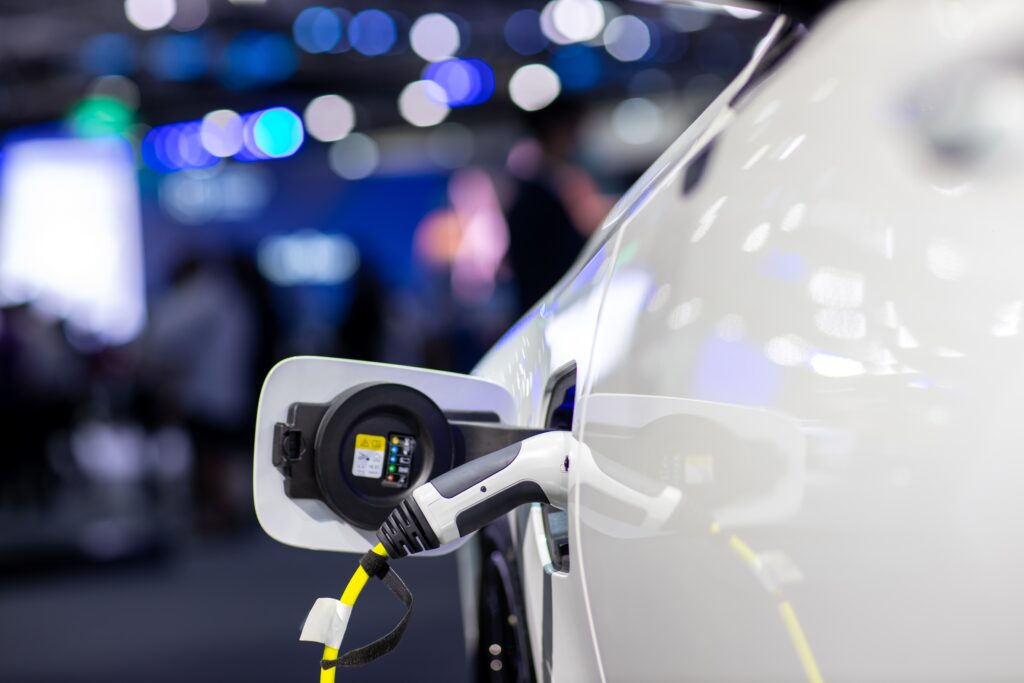
Given the high availability of energy during the central hours of the day, it is time to adopt some small good practices. Starting the washing machine at noon, plugging in the electric car when the sun is at its peak, or programming the heat pump for these hours helps to reduce pressure on the grid and maximize the individual commitment to renewables. In short, these adaptations are a simple way to participate in the flexibility of demand, which is key to making an electrical system with increasingly fewer emissions sustainable.
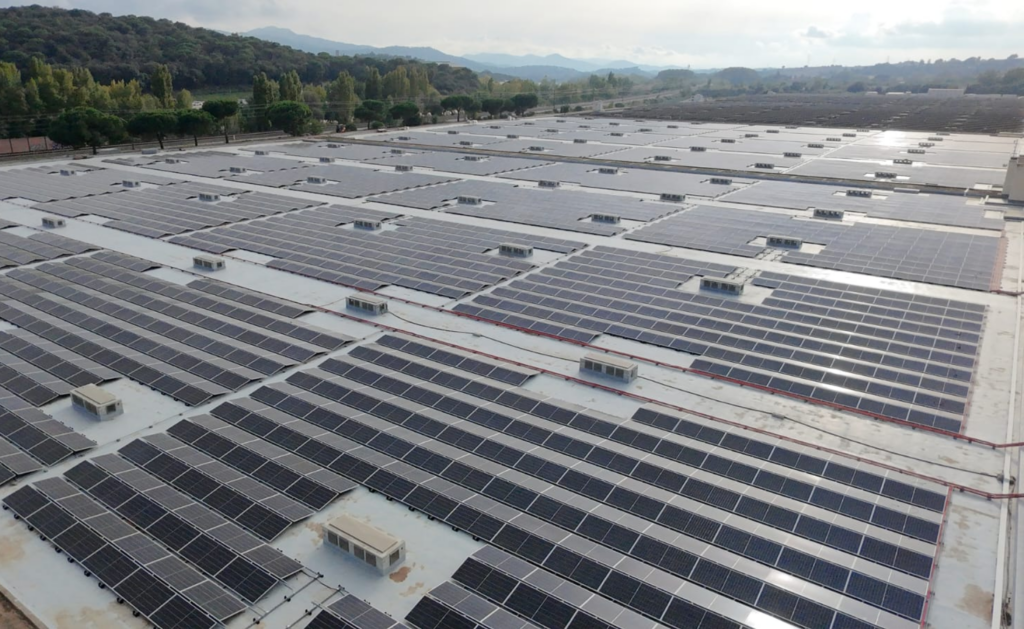
However, the contribution goes beyond the domestic sphere. L’Energètica promotes this change with solar installations throughout the territory, utilizing the rooftops of schools, institutes, and public facilities of the Generalitat based on the idea that each kilowatt produced by these installations reduces the need to resort to other sources and reinforces a fairer and more efficient model.
And what about summer?
When spring gives way to summer, solar generation skyrockets. Between June and August 2024, the average radiation in Catalonia rose to 6.67 kWh/m²/day, a 25% increase compared to spring. This abundance also has a downside: thesolar surplus, when more energy is generated than is consumed at the moment.
To avoid this energy from being wasted, it must be stored or have immediate uses. Solutions like batteries or pump storage hydropower plants are strategic, and flexibility of demand plays a key role again. In short, summer is the time to test our capacity to manage, share, and optimize energy intelligently and sustainably.